
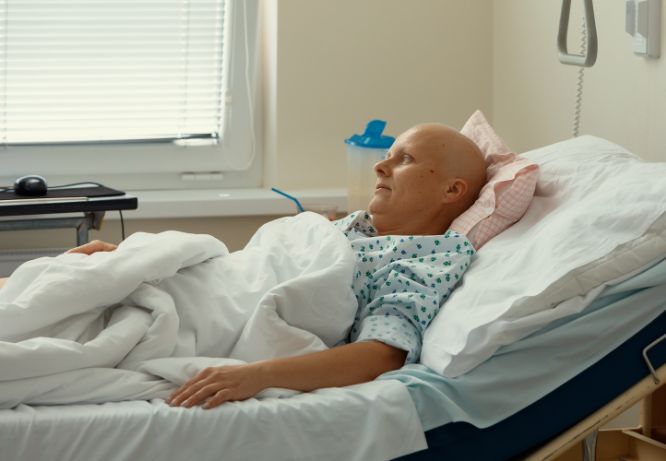
Cancer is Still One of the Most Formidable Illnesses Cancer is still one of the most formidable illnesses of our era, and millions suffer every year globally. Chemotherapy has been the mainstay of cancer treatment for decades. Although effective, chemotherapy carries an enormous battery of side effects, such as fatigue, nausea, hair loss, and vulnerability to infection. Searching for less toxic, more targeted, and personalized treatments has been a longstanding pursuit in oncology. Recently, a flood of new solutions within the general category of alternative methods for treating cancer has begun to redefine cancer therapy — maybe do away with chemotherapy altogether.
The Limitations of Chemotherapy
Chemotherapy uses potent drugs that kill the rapidly dividing cancer cells. The drugs, however, are unable to distinguish between cancer cells and some of the normally rapidly dividing cells in hair follicles, the gastrointestinal tract, and bone marrow. Such inability to discern leads to a multitude of side effects that tend to destroy the quality of life in the patient.
Apart from this, chemotherapy is not effective in all cancers or every phase of cancer. There are certain tumors that develop resistance after a certain time, and chemotherapy cannot work on them or becomes less effective or even useless for them. Hence, there is a requirement for more selective, less toxic, and patient-oriented therapy.
New Alternative Cancer Treatment Strategies
While chemotherapy remains the standard treatment in the majority of cancer protocols, other treatments are gaining popularity since they may aid or even replace chemotherapy.
1. Immunotherapy: Triggering the Body’s Defenses
Immunotherapy is a revolutionary new cancer treatment that employs the body’s own immune system to recognize and destroy cancer cells. Unlike chemotherapy, where only the cancer cells are targeted, immunotherapy stimulates the immune system or allows the immune system to recognize cancer as abnormal.
Among the types of immunotherapy are
- Checkpoint inhibitors: These drugs block proteins that prevent the immune system from attacking cancer cells, effectively “releasing the brakes” on immune cells.
- CAR-T cell therapy: This treatment involves altering a patient’s T-cells (a subset of immune cells) so that they can target and destroy cancer cells more easily.
- Cancer vaccines: Unlike routine vaccines, which keep illness at bay before it happens, these stimulate the immune system to target already existing cancer.
Clinical trials have been extensively successful with immunotherapy for melanoma, lung cancer, and some lymphomas. Most patients have been able to achieve long-term remission with fewer side effects from immunotherapy compared to chemotherapy.
2. Targeted Therapy: Precision Strikes on Cancer
Another revolutionary approach is targeted therapy, where specific molecules or pathways cancer cells rely on for survival and growth are targeted. Through targeting them, such therapies can check tumor growth without affecting normal cells.
Examples of targeted therapies include:
- Tyrosine kinase inhibitors (TKIs), which block enzymes that play a role in cell signaling.
- Monoclonal antibodies are proteins produced in the lab to bind to specific antigens on cancer cells.
- Hormone therapies are drugs that inhibit hormones that feed cancer like breast and prostate cancer.
Since targeted therapies act more specifically on the cancer cells, they are less likely to induce side effects compared to chemotherapy. However, they only act on cancer if cancer cells have certain genetic markers, and thus, the introduction of personalized medicine is necessary.
3. Genomic Profiling and Precision Medicine
Precision medicine, or personalized medicine, is changing the treatment of cancer by tailoring treatment to an individual’s unique genetic profile. With the use of sophisticated genomic sequencing, doctors are now able to identify the mutations responsible for a patient’s cancer and select the treatments most likely to succeed.
This line of treatment has created a cancer therapy boom that forks out of the traditional paradigm of chemotherapy. For instance, a patient’s tumor can discover a familiar mutation that can be cured by a new drug, sparing them further toxic chemotherapy rounds.
Supporting Conventional Treatment with Complementary Therapies
In addition to new single-arm therapy, many complementary therapies are increasingly being used alongside conventional cancer therapy for improving outcomes and quality of life in patients.
- Nutritional therapy: Proper diet and supplements can boost immune function and reduce side effects.
- Mind-body interventions: Techniques such as meditation, yoga, and acupuncture could reduce stress, anxiety, and pain.
- Hyperthermia therapy: Thermally sensitizing cancer cells to render them more sensitive to treatment.
- Photodynamic therapy (PDT): Using light-sensitizing drugs that are activated by light of specific wavelengths to destroy cancer cells.
These treatments, while not alternatives to chemotherapy, can enhance the effectiveness and quality of treatment.
The Place of Integrative Oncology
Integrative oncology is the best of mainstream medicine combined with alternative cancer treatments, with a focus on whole-person care of patients. Integrative oncology addresses physical symptoms, emotional well-being, and lifestyle, usually with better overall outcomes.
Cancer specialists in india like Dr. Vikesh Shah, support integrative oncology models where chemotherapy is wisely reserved and augmented by targeted therapy, immunotherapy, and supportive care to reduce overall chemotherapy burden.
Advances in Minimally Invasive and Non-Invasive Treatments
There also are emerging technologies to treat some cancers with little to no systemic chemotherapy:
- Radiofrequency ablation (RFA) and microwave ablation kill tumors locally with heat.
- Cryoablation kills cancer cells by freezing them.
- Focused ultrasound therapy kills tumors with sound waves.
- Stereotactic body radiotherapy (SBRT) is the administration of high doses of radiation in fewer fractions with less injury to the surrounding tissues.
These therapies often can replace or eliminate the need for chemotherapy, especially for early-stage or localized cancer.
How Alternative Cancer Treatment is Changing the Landscape in India
India has witnessed accelerated advancement in cancer therapy, with increasing emphasis on other cancer treatment modalities beyond chemotherapy. Advanced cancer centers are integrating immunotherapy, targeted therapy, and precision medicine.
Patients are now coming in contact with multidisciplinary teams led by experts like Dr. Vikesh Shah, who incorporate traditional and new therapies to personalize care. This shift is especially significant in India, where access to the latest therapy and focused care can improve survival as well as reduce suffering due to treatment.
Challenges and Considerations
Though these unconventional treatments hold potential, they also present their challenges:
- Cost and access: New treatments like CAR-T cell therapy and genomic screening will be expensive and less accessible.
- Side effects: As little as less toxic than chemotherapy for most patients, immunotherapy and targeted therapies are not completely risk-free, autoimmune side effects being one of them.
- Effectiveness varies: Not every cancer will be cured by these new treatments, and research is required.
- Additional clinical studies: More long-term safety and effectiveness data are still being gathered.
The patients need to meet experienced oncologists to explore all options. Involving a veteran cancer expert in India or top international experts assures optimum direction.
The Future: Towards a Chemotherapy-Free Era?
The future of cancer care is actually bright. Increased availability of alternative cancer treatments means a future where chemotherapy is not the only way but one of many employed discriminatively.
Combination treatments, targeted therapy, and immunotherapy will be the norm, with chemotherapy the exception to the rule where it is absolutely necessary. This shift will yield improved survival, reduced toxicity, and improved quality of life for the patient.
Conclusion
The reality of chemotherapy as the first-line cancer therapy is overwhelmed by a tidal wave of novel approaches for the treatment of cancer. Immunotherapy, targeted therapy, precision medicine, and less invasive surgery are turning cancer therapy into personalized and non-toxic therapy.
While chemotherapy will still be a part of the majority of regimens, its dominance will wane as these alternatives become stronger, easier to use, and more embedded in standard treatment. For patients and care providers alike, learning about these alternatives sets the stage for therapies that combat cancer without sacrificing dignity and quality of life.
If you or your loved one has to go through cancer therapy, seeking an opinion from a credible cancer specialist in India like Dr. Vikesh Shah can prove to be a priceless assistance unique to your situation. The arena of cancer treatment is constantly changing, introducing new hope — hope of cures with no debilitating side effects and hope of a better tomorrow where chemotherapy is no longer the sole option.