
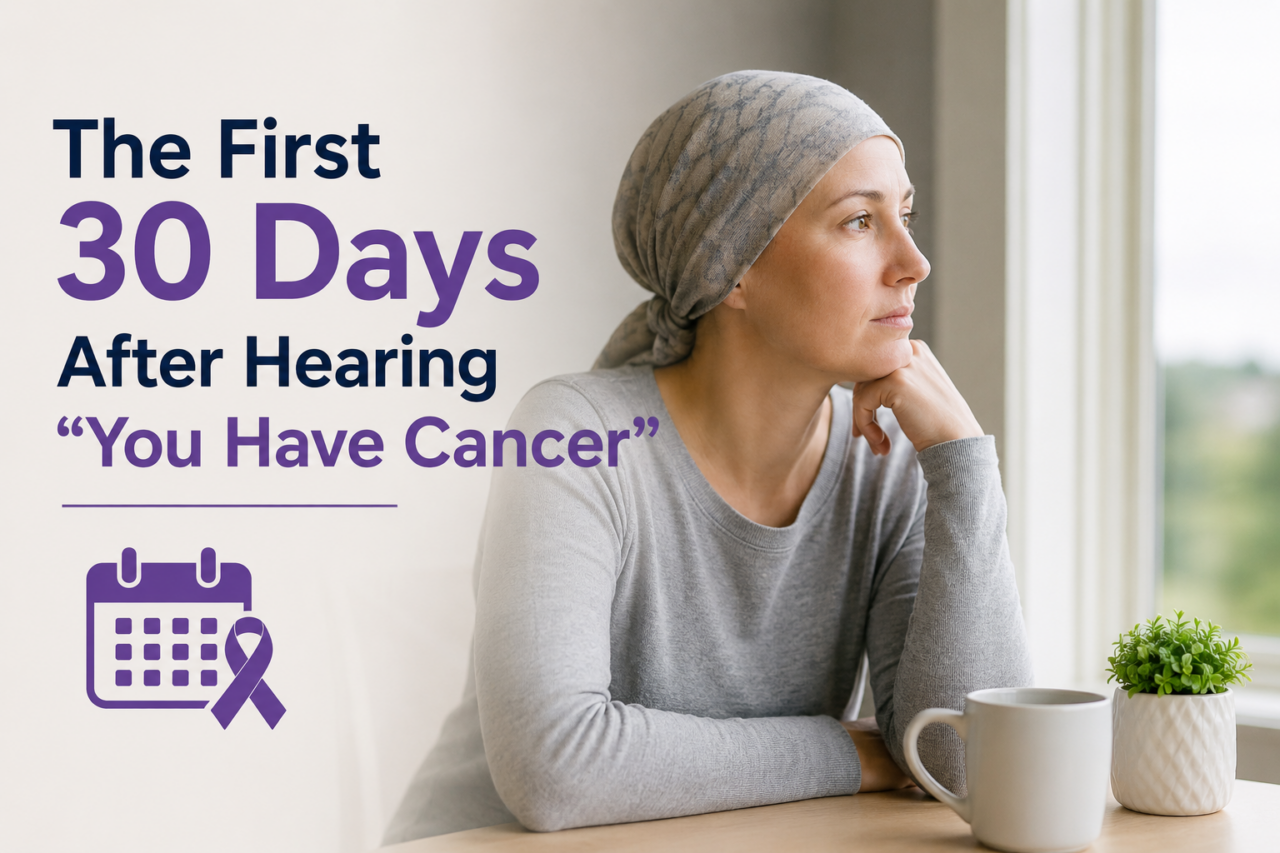
A cancer diagnosis changes life in an instant. One conversation with a doctor, one pathology report, or one phone call can suddenly make the future feel uncertain. For many patients, the first 30 days after diagnosis are often the most overwhelming. Questions begin to pile up. What happens next? Is the cancer curable? Which treatment is best? How will this affect family, work, and daily life?
The reality is that the first month after diagnosis is rarely about treatment alone. It is about understanding the disease, gathering accurate information, building the right medical team, and making informed decisions. While fear is natural, knowledge can help replace uncertainty with clarity. Modern cancer treatment has advanced significantly, and many patients have more options than ever before. The key is knowing how to navigate those first critical weeks.
The Moment Everything Changes
Few moments feel as life-altering as hearing the words, “You have cancer.” Patients often describe the experience as surreal. Some remember every detail of the conversation, while others struggle to recall anything after hearing the diagnosis. Shock is one of the most common reactions. Even patients who suspected something was wrong are rarely fully prepared for confirmation.
During these first few days, emotions can fluctuate rapidly. Fear, disbelief, anger, sadness, and confusion often appear at the same time. Family members may react differently, creating additional stress. It is important to remember that these reactions are normal. A cancer diagnosis affects not only the body but also the mind. Before rushing into decisions, patients should give themselves permission to process the information and begin understanding what the diagnosis actually means.
The First Question Almost Every Patient Asks: “Why Me?”
Almost every cancer specialist has heard the same question countless times: “Why did this happen to me?” Many patients feel especially confused when they have never smoked, rarely drink alcohol, exercise regularly, and generally consider themselves healthy. The assumption that cancer only affects people with unhealthy lifestyles is one of the biggest misconceptions surrounding the disease.
Cancer develops through a complex combination of factors. Genetics, age, environmental exposures, immune system function, chronic inflammation, and random DNA mutations can all contribute to cancer development. In many cases, there is no single event that directly caused the disease. Modern research continues to show that even healthy individuals can develop cancer. While understanding risk factors is important, focusing on blame rarely helps. The more productive question is not “Why me?” but rather “What should I do next?”
The Emotional Rollercoaster of the First Few Days
The emotional challenges of a cancer diagnosis often begin long before treatment starts. Many patients experience difficulty sleeping, loss of appetite, constant worry, and an overwhelming urge to search for answers online. Some become fixated on worst-case scenarios, while others avoid thinking about the diagnosis altogether.
This emotional rollercoaster is a natural response to uncertainty. The human mind seeks answers, and cancer creates many unknowns. However, it is important to remember that internet statistics and stories from other patients rarely reflect an individual’s unique situation. Every cancer diagnosis is different. Different cancer types, stages, genetic characteristics, and treatment responses all influence outcomes. During these early days, focusing on reliable medical information and trusted healthcare professionals can provide far more value than endless online searching.
Why Panic Is the Worst First Decision
After hearing a cancer diagnosis, many patients feel pressure to act immediately. Some want to begin treatment the very next day, while others become so overwhelmed that they delay care entirely. Neither approach is ideal. Panic often leads to rushed decisions, incomplete understanding, and unnecessary anxiety.
The first few weeks should focus on gathering information and building a clear understanding of the diagnosis. Patients should learn the exact type of cancer they have, whether it has spread, what treatment options are available, and what outcomes can reasonably be expected. Taking a few extra days to understand the situation is very different from ignoring it. In fact, informed decisions often lead to better treatment experiences and greater confidence throughout the journey.
Understanding Your Diagnosis Before Making Any Treatment Choices
One of the most important steps during the first month is understanding the diagnosis in detail. Not all cancers behave the same way. Two patients may have the same type of cancer but require completely different treatment approaches. Factors such as tumour size, cancer stage, molecular characteristics, and overall health all influence treatment planning.
This is why doctors often recommend additional tests after diagnosis. These tests help create a more complete picture of the disease and ensure that treatment decisions are based on accurate information. Understanding the diagnosis before beginning treatment allows patients to participate actively in their care. It also helps reduce confusion and provides a stronger foundation for the decisions that lie ahead.
What Your Cancer Stage Actually Means
One of the first terms patients hear after diagnosis is “stage.” Naturally, this word creates anxiety because many people assume that stage automatically determines their future. In reality, cancer staging is simply a way for doctors to describe how far a cancer has progressed and whether it has spread beyond its original location.
Early-stage cancers are often localized and may be treated with surgery or other focused treatments. More advanced stages may require combinations of therapies such as chemotherapy, radiation, targeted therapy, or immunotherapy. Importantly, stage does not tell the entire story. Modern cancer care has improved dramatically, and many patients with advanced disease are living longer and better than ever before. Understanding stage provides valuable information, but it should never be viewed as the only factor that determines outcome.
The Tests Doctors May Recommend After Diagnosis
After a cancer diagnosis, doctors often recommend additional tests before finalizing a treatment plan. Many patients are surprised by this step and wonder why more testing is necessary when cancer has already been confirmed. The answer is simple: treatment decisions depend on having the clearest possible picture of the disease.
Additional scans, blood tests, biopsies, and pathology reviews help determine the exact size of the tumour, whether cancer has spread, and how aggressively it may behave. Some cancers also require molecular or genetic testing to identify specific markers that can influence treatment options. While waiting for results can feel stressful, these tests provide critical information that helps doctors choose the most effective strategy. The goal is not simply to treat cancer, but to treat the right cancer in the right way.
Why Getting a Second Opinion Can Be Valuable
Many patients hesitate to seek a second opinion because they worry it may offend their doctor or delay treatment. In reality, most experienced cancer specialists welcome second opinions, especially for complex cases. A second opinion can confirm the diagnosis, validate the proposed treatment plan, or introduce additional options that may not have been discussed initially.
Cancer treatment has become increasingly specialized. Different specialists may have expertise in different approaches, including surgery, radiation, immunotherapy, targeted therapy, or combination treatments. Seeking another expert perspective often provides reassurance and confidence. The purpose is not to create confusion but to ensure that patients make decisions based on the most complete information available.
How Doctors Build a Personalized Cancer Treatment Plan
Modern cancer care is no longer based on a one-size-fits-all approach. Two patients with the same type of cancer may receive completely different treatment recommendations depending on their age, overall health, tumour characteristics, genetic markers, and treatment goals.
This personalized approach is a core part of how Dr. Vikesh Shah evaluates cancer patients. Rather than focusing solely on the diagnosis, he carefully reviews pathology reports, imaging findings, laboratory results, and the patient’s overall condition before recommending a treatment strategy. Depending on the situation, treatment may involve surgery, chemotherapy, radiation therapy, immunotherapy, targeted therapy, or a combination of multiple approaches. The objective is always to design a plan that offers the greatest potential benefit while supporting the patient’s quality of life.
Talking to Family and Loved Ones About Your Diagnosis
Sharing a cancer diagnosis with family can be one of the most difficult conversations a person ever has. Some patients want to tell everyone immediately, while others prefer to keep the information private until they understand more about their condition. There is no universally correct approach.
Family members often experience their own emotional reactions, including fear, sadness, guilt, and helplessness. Honest communication can help reduce misunderstandings and create a stronger support system. Patients do not need to have all the answers before talking to loved ones. Simply sharing what is known, what remains uncertain, and what the next steps are can help family members feel involved and informed.
Common Mistakes Patients Make in the First 30 Days
The first month after diagnosis is filled with uncertainty, and it is easy to make decisions driven by fear rather than facts. One common mistake is delaying medical evaluation while searching endlessly for alternative explanations. Another is rushing into treatment without fully understanding the diagnosis or available options.
Some patients spend hours reading stories online that may have little relevance to their specific situation. Others attempt to compare themselves with friends or relatives who had a completely different type of cancer. Every cancer journey is unique. The most effective approach is to focus on reliable medical guidance, ask questions, and make decisions based on evidence rather than emotion.
The Internet Trap: Why Too Much Information Can Increase Fear
The internet can be both helpful and harmful after a cancer diagnosis. While quality educational resources exist, countless websites contain outdated statistics, misleading information, and personal experiences that may not apply to your situation.
Many patients find themselves reading survival rates without understanding how those numbers were calculated or whether they reflect modern treatment advances. This often creates unnecessary fear. Reliable information should come from qualified healthcare professionals and trusted medical organizations. The goal is to become informed, not overwhelmed.
What Questions Should You Ask Your Cancer Specialist?
One of the best ways to regain a sense of control after diagnosis is to ask questions. Understanding your cancer, treatment options, expected outcomes, and potential side effects can make the entire process less intimidating.
When consulting with specialists such as Dr. Vikesh Shah, patients are encouraged to ask about the type and stage of cancer, treatment goals, expected timelines, possible risks, and available alternatives. No question is too small. Clear communication helps patients make informed decisions and strengthens the partnership between patient and doctor throughout treatment.
Understanding Your Treatment Options
Cancer treatment has evolved dramatically over the last several decades. Today, patients may have access to multiple treatment approaches depending on the type and stage of cancer. These options may include surgery, chemotherapy, radiation therapy, immunotherapy, targeted therapy, hormone therapy, or combinations of several treatments.
The right choice depends on the unique characteristics of each case. Some treatments aim to eliminate cancer completely, while others focus on controlling disease progression or improving quality of life. Understanding these differences helps patients approach treatment with realistic expectations and greater confidence.
Surgery, Chemotherapy, Radiation and Immunotherapy: What Patients Should Know
Each cancer treatment works differently. Surgery physically removes cancer when possible. Chemotherapy uses drugs to destroy rapidly dividing cancer cells. Radiation therapy uses high-energy beams to damage cancer cells and shrink tumours.
Immunotherapy represents a newer approach that works by helping the immune system recognize and attack cancer more effectively. Rather than competing with traditional treatments, immunotherapy is often used alongside them. The most appropriate option depends on the individual patient’s diagnosis and overall treatment goals.
How Modern Cancer Treatment Has Changed Over the Last Decade
Cancer care today looks very different from what it did even ten years ago. Advances in imaging, molecular testing, precision medicine, targeted therapies, and immunotherapy have expanded treatment possibilities for many patients.
Doctors can now identify specific tumour characteristics that influence treatment response and customize care accordingly. These advances have improved outcomes across multiple cancer types and have given patients access to more personalized and less invasive treatment options than ever before.
The Importance of Nutrition During Cancer Treatment
Good nutrition plays a critical role during cancer treatment. The body needs energy to recover, maintain strength, support immune function, and tolerate therapy. Unfortunately, treatment side effects can sometimes make eating difficult.
Maintaining a balanced diet with adequate protein, hydration, vitamins, and calories can help support recovery and improve overall wellbeing. Nutrition plans should always be individualized because different treatments and cancer types may create different dietary challenges.
Managing Anxiety, Fear and Uncertainty
Fear is a natural part of the cancer journey. Uncertainty about treatment, outcomes, and the future can create significant emotional stress. Many patients experience periods of anxiety even when treatment is progressing well.
Managing these emotions requires a combination of information, support, and realistic expectations. Talking openly with healthcare providers, family members, counsellors, or support groups can help reduce feelings of isolation and provide practical coping strategies.
Why Mental Health Matters as Much as Physical Health
Cancer affects more than the body. It influences relationships, work, finances, daily routines, and emotional wellbeing. Ignoring mental health can make an already difficult situation feel even more overwhelming.
Patients who receive emotional support often report better quality of life and improved ability to cope with treatment. Mental health care should never be viewed as separate from cancer care—it is an essential part of the overall treatment process.
Building Your Personal Support System
No one should face cancer alone. Support can come from family members, friends, healthcare professionals, patient groups, counsellors, and community organizations. Each person plays a different role in helping patients navigate the challenges ahead.
A strong support system provides practical help, emotional reassurance, and encouragement during difficult moments. Building this network early can make a significant difference throughout treatment and recovery.
Financial Planning and Practical Considerations
Cancer treatment often creates financial and logistical challenges in addition to medical concerns. Patients may need to consider treatment costs, insurance coverage, travel arrangements, time away from work, and caregiving needs.
Addressing these practical issues early can reduce stress later. Many hospitals and cancer centers have resources available to help patients understand financial planning and access support services when needed.
Preparing Your Body for Treatment
Before treatment begins, doctors often focus on optimizing a patient’s overall health. This may involve improving nutrition, managing existing medical conditions, increasing physical activity when appropriate, and addressing lifestyle factors such as smoking or alcohol use.
A stronger body is often better prepared to tolerate treatment and recover more effectively. Even small improvements in overall health can have meaningful benefits during the treatment process.
What Recovery and Long-Term Care May Look Like
Cancer care does not end when treatment ends. Recovery is often a gradual process that continues for months or even years. Follow-up appointments, monitoring tests, rehabilitation, lifestyle modifications, and ongoing support may all become part of long-term survivorship care.
The goal is not only to monitor for recurrence but also to help patients maintain the best possible quality of life after treatment.
Why Every Cancer Journey Is Different
No two patients experience cancer in exactly the same way. Even individuals with similar diagnoses may respond differently to treatment, recover at different rates, and face unique challenges.
Comparing your journey to someone else’s rarely provides useful answers. The most important comparison is between where you are today and the progress you continue to make with the support of your healthcare team.
The Most Important Thing to Remember During the First 30 Days
The first month after diagnosis often feels overwhelming because everything is new. There are unfamiliar medical terms, difficult decisions, and countless questions. Yet this period is also an opportunity to gather information, build a strong medical team, and create a clear plan for moving forward.
A diagnosis may change your path, but it does not determine your outcome. Many patients discover strengths, support systems, and treatment options they never knew existed.
How a Cancer Specialist in Ahmedabad Can Help You Navigate the Next Steps
One of the most valuable decisions a patient can make after diagnosis is choosing the right medical team. An experienced Cancer Specialist in Ahmedabad can help interpret test results, explain treatment options, coordinate care, and guide patients through every stage of the journey.
Dr. Vikesh Shah focuses on helping patients understand not only their diagnosis but also the full range of available treatment options. Through personalized evaluation and evidence-based recommendations, he works with patients and families to create treatment plans tailored to their specific needs. Having a trusted specialist by your side can make the first 30 days feel less uncertain and far more manageable.
Conclusion
The days immediately following a cancer diagnosis are often filled with fear, uncertainty, and questions. However, they are also the foundation upon which the rest of the journey is built. Taking time to understand your diagnosis, seek expert guidance, explore treatment options, and build a strong support system can make a meaningful difference.
Cancer is a diagnosis not a prediction. The choices made during those first 30 days can help patients move forward with clarity, confidence, and hope.
A cancer diagnosis can feel overwhelming. Getting clear answers shouldn’t be. Speak with Dr. Vikesh Shah to understand your diagnosis, explore your treatment options, and take the next step with confidence.Contact us today .