
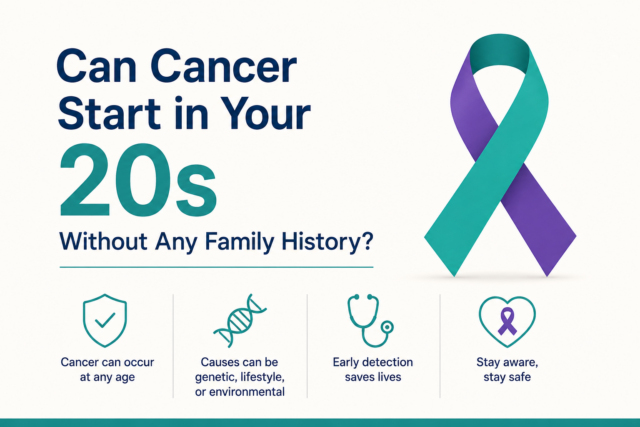
For many people, cancer feels like a disease that happens later in life. It is often associated with aging, long-term health problems, or a strong family history of cancer. Because of this, most young adults assume they are naturally protected from the disease. When unusual symptoms appear, they are often blamed on stress, poor sleep, work pressure, or lifestyle changes. However, modern cancer statistics are challenging this belief. More young adults are being diagnosed with cancer than ever before, including many who have no known family history of the disease.
The reality is that cancer can develop at almost any age. While the overall risk increases as people get older, being in your 20s does not make you immune. Understanding how cancer develops and recognizing early warning signs can help young adults make informed decisions about their health.
The Myth That Cancer Only Affects Older People
One of the biggest misconceptions about cancer is that it only affects people over the age of 50. While it is true that cancer is more common among older adults, younger individuals can also develop the disease. Doctors are increasingly seeing cases of colorectal cancer, breast cancer, thyroid cancer, testicular cancer, and blood cancers in patients in their 20s and 30s.
Because cancer is considered uncommon in younger age groups, symptoms may be overlooked or dismissed for months. This delay can sometimes allow the disease to progress before it is identified. Raising awareness about cancer risk among young adults is becoming increasingly important as patterns of diagnosis continue to change.
Does Family History Really Determine Cancer Risk?
Many people believe that cancer only occurs when it runs in the family. While inherited genetic mutations can increase the risk of certain cancers, family history explains only a small percentage of overall cancer cases. In fact, many patients diagnosed with cancer have no close relatives who have ever had the disease.
Cancer often develops because of changes that occur within cells during a person’s lifetime. These changes can happen due to environmental exposures, lifestyle factors, infections, random DNA errors, or biological processes that scientists still do not fully understand. This is why someone with no family history can still receive a cancer diagnosis.
How Cancer Can Start Without Genetic Risk
Every day, billions of cells in the human body divide and replace older cells. During this process, DNA must be copied accurately. Occasionally, mistakes occur. Most of these errors are repaired by the body, but some may escape correction. Over time, multiple genetic changes can accumulate and eventually allow abnormal cells to grow uncontrollably.
These mutations are not necessarily inherited from parents. They can develop spontaneously throughout life. This explains why a healthy young adult with no family history may still develop cancer. Sometimes there is no obvious reason, which can make the diagnosis especially surprising and emotionally difficult for patients and families.
Why Are More Young Adults Being Diagnosed With Cancer?
Researchers around the world have observed a rise in several types of early-onset cancers. Although there is no single explanation, experts believe multiple factors may be contributing. Changes in diet, increasing obesity rates, sedentary lifestyles, environmental pollution, chronic inflammation, and alterations in gut health are all being investigated.
At the same time, improved diagnostic technology means doctors are identifying cancers that may have previously gone undetected. Greater awareness and better screening methods have also contributed to earlier diagnoses in younger populations.
Cancer Symptoms Young Adults Often Ignore
One of the biggest challenges in young adult cancer diagnosis is that symptoms are often mistaken for everyday health issues. Persistent fatigue may be blamed on work stress. Unexplained weight loss might be viewed as a positive change. Digestive problems are frequently attributed to poor eating habits or acidity.
However, symptoms that persist for several weeks or continue to worsen deserve medical attention. Warning signs can include unexplained weight loss, ongoing fatigue, persistent pain, unusual bleeding, changes in bowel habits, difficulty swallowing, long-lasting coughs, or lumps that do not go away. While these symptoms are often caused by non-cancerous conditions, they should not be ignored simply because of age.
The Dangerous Assumption: “I’m Too Young for Cancer”
Many young adults delay seeking medical advice because they believe cancer is impossible at their age. Unfortunately, this assumption can lead to delayed diagnosis. Some patients wait months before consulting a doctor because they expect symptoms to disappear on their own.
Early diagnosis remains one of the most important factors influencing cancer treatment outcomes. Detecting cancer at an earlier stage often allows for more treatment options and may improve the chances of successful management. Paying attention to persistent symptoms and seeking timely evaluation can make a significant difference.
Can a Healthy Lifestyle Prevent Cancer Completely?
Living a healthy lifestyle can reduce cancer risk, but it cannot eliminate it entirely. Regular exercise, maintaining a healthy weight, avoiding tobacco products, limiting alcohol consumption, eating a balanced diet, and protecting the skin from excessive sun exposure all contribute to better long-term health.
However, even individuals who follow healthy habits can develop cancer. This is why awareness remains important. Good lifestyle choices lower risk, but they do not provide a guarantee. Understanding your body and responding to unusual changes is just as important as maintaining healthy habits.
What Should Young Adults Do If They Notice Symptoms?
The most important step is not to panic. Most symptoms are not caused by cancer. However, persistent symptoms deserve professional evaluation. If something feels unusual and does not improve after a few weeks, scheduling a medical consultation is a sensible decision.
Doctors may recommend physical examinations, blood tests, imaging studies, or additional investigations depending on the symptoms involved. The goal is not to assume the worst but to identify the cause and provide appropriate treatment as early as possible.
How Dr. Vikesh Shah Helps Patients Understand Cancer Risk
Many young adults are surprised when cancer becomes part of their health concerns. This is why education and awareness are so important. Dr. Vikesh Shah believes that understanding symptoms, risk factors, and early warning signs empowers patients to make informed healthcare decisions rather than relying on assumptions about age or family history.
As a Cancer Specialist in Ahmedabad, Dr. Vikesh Shah emphasizes the importance of timely medical evaluation when symptoms persist. While most health changes are not cancer-related, knowing when to seek expert guidance can help patients gain clarity, reassurance, and appropriate care when needed.
Conclusion
Cancer is often associated with older age, but it can develop in younger individuals—even those with no family history of the disease. While cancer remains relatively uncommon in people in their 20s, it is not impossible. The belief that youth automatically protects against cancer can sometimes delay diagnosis and treatment.
The most important message is simple: listen to your body. Persistent symptoms should never be ignored, regardless of age. Awareness, early evaluation, and informed decision-making remain some of the most powerful tools in modern cancer care. Age may influence risk, but it does not eliminate it. Don’t ignore persistent symptoms book a consultation with Dr. Vikesh Shah today for expert cancer evaluation, early diagnosis, and personalized treatment.
Frequently Asked Questions
Can cancer develop in your 20s without a family history?
Yes. Many cancer patients have no family history. Cancer can develop due to genetic mutations that occur during life.
Which cancers are more common in young adults?
Lymphoma, leukemia, thyroid cancer, testicular cancer, melanoma, and some colorectal cancers can occur in younger people.
Does being healthy mean you cannot get cancer?
No. A healthy lifestyle reduces risk but does not completely eliminate the possibility of cancer.
What symptoms should young adults not ignore?
Persistent fatigue, unexplained weight loss, unusual lumps, abnormal bleeding, ongoing pain, and lasting digestive changes should be evaluated.
Why are more young adults being diagnosed with cancer?
Experts believe lifestyle changes, environmental factors, obesity, and improved detection may all play a role.
How long should symptoms persist before seeing a doctor?
If symptoms last more than 2–3 weeks or continue to worsen, medical evaluation is recommended.
Can stress cause cancer?
Stress alone does not directly cause cancer, but chronic stress can negatively affect overall health and wellbeing.
When should I consult a Cancer Specialist in Ahmedabad?
If you have persistent symptoms, suspicious test results, or concerns about cancer risk, seeking expert medical advice is important.
Can early detection improve outcomes?
Yes. Early detection often leads to more treatment options and better outcomes.