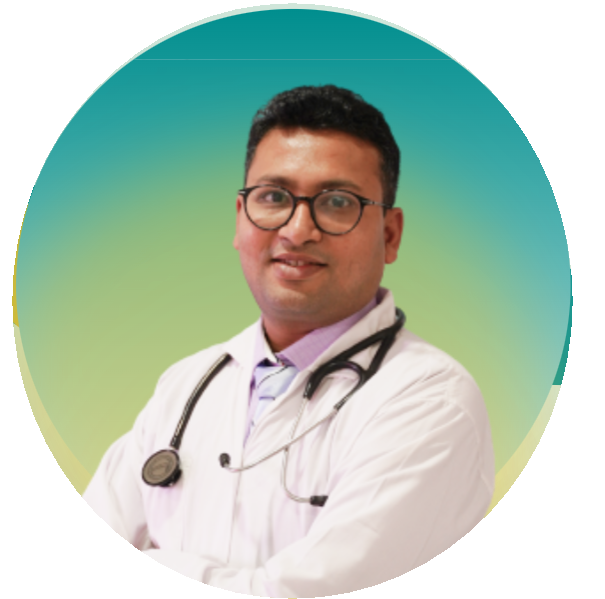
Consult with Dr. Vikesh Shah MBBS, MD (AIIMS, New Delhi)
Online Schedule

Cancer care has evolved rapidly, and today, not every cancer requires surgery. With advanced medical science and highly specialized treatment options, many patients now benefit from powerful non-surgical cancer treatments that work at the cellular, genetic, and immune levels. These modern approaches used in Cancer Treatment Other Than Surgery help shrink or control tumors, boost survival rates, reduce side effects, and significantly improve overall quality of life.
In India, leading cancer specialists like Dr. Vikesh Shah in Ahmedabad focus on creating personalized non-surgical treatment plans tailored to each patient’s cancer type, stage, genetic profile, and overall health. With modern therapies such as immunotherapy, targeted drugs, advanced radiation, nanotechnology, hormone therapy, and stem cell treatments, patients have more safe, effective, and minimally invasive choices than ever before.
Cancer behaves differently in every patient. Its growth patterns, genetic mutations, aggressiveness, and spread vary widely. Because of this biological diversity, many cancers respond better to systemic or targeted treatments rather than surgical removal.
Non-surgical cancer treatments aim to:
With the rise of genomic testing, targeted medicine, immunotherapy, nanotechnology, and advanced radiation, non-surgical care has become one of the strongest pillars of modern cancer treatment.
Immunotherapy is one of the most significant breakthroughs in modern oncology. Instead of attacking cancer directly, it empowers the immune system to identify and destroy malignant cells that usually hide or suppress natural defenses.
It works especially well for cancers like melanoma, lung cancer, bladder cancer, certain head and neck cancers, and various advanced tumors that stop responding to chemotherapy. With its long-lasting results, minimal side effects, and ability to retrain the immune system, immunotherapy is transforming cancer care across India.
Chemotherapy remains one of the most reliable non-surgical options. It uses specialized drugs that travel through the bloodstream and attack rapidly dividing cancer cells. While healthy fast-dividing cells may be affected, modern medicine provides strong supportive care to minimize discomfort.
Chemotherapy may be recommended as a primary treatment, to shrink tumors before surgery, after surgery to prevent recurrence, or to control advanced cancer. Fatigue, nausea, hair loss, and low immunity are common effects, but advancements in anti-nausea drugs, growth factors, and recovery protocols have made treatment significantly easier for patients today.
Targeted therapy focuses on specific genes, proteins, or pathways that help cancer grow. Through genetic and molecular testing, doctors identify unique mutations in the tumor and prescribe drugs that block only those abnormal signals. This ensures precise treatment, fewer side effects, and better long-term control of diseases like HER2-positive breast cancer, certain colon cancers, leukemias, and lung cancers. Many targeted therapies are available in oral pill form, making treatment more convenient.
Radiation therapy uses focused beams of energy to kill cancer cells or shrink tumors with remarkable accuracy. It is ideal for cancers in sensitive areas such as the head and neck, brain, prostate, and lungs. Modern techniques like IMRT, IGRT, VMAT, and stereotactic radiosurgery ensure that healthy tissues remain protected while cancer cells receive maximum therapeutic impact. Radiation can be used alone or combined with chemotherapy, immunotherapy, or targeted therapy for enhanced results. Advanced imaging and planning systems also help minimize side effects and speed up recovery.
Some cancers grow because of hormonal influence. Hormone therapy blocks, reduces, or prevents the body from using certain hormones, slowing cancer growth and lowering the risk of recurrence. Used mainly for breast and prostate cancers, hormone therapy is often a long-term treatment that complements other therapies. With improved drugs and better monitoring methods, patients often experience strong control over cancer progression with minimal interruption to daily life.
Stem cell therapy is primarily used for blood cancers such as leukemia, multiple myeloma, and lymphoma. It helps regenerate healthy bone marrow and restore the immune system after high-dose chemotherapy or radiation. Modern advancements have improved donor matching, treatment safety, and long-term outcomes. Stem cell transplants offer many patients a renewed chance at remission and stronger immune recovery.
Gene therapy is one of the most cutting-edge treatments available today. It focuses on correcting faulty genes, disabling cancer-causing DNA, or introducing new genes that boost the immune system’s ability to fight cancer. While still under evaluation for many cancers, it has shown promising results in specific blood cancers and rare tumor types. Its precision and reduced side effects make it a powerful option for the future of oncology.
Nanotechnology uses microscopic particles to deliver cancer drugs directly to tumors. This approach improves treatment effectiveness and reduces toxicity to healthy tissues. Nanoparticles can also carry imaging agents that help detect tumors more accurately. By enhancing drug absorption and targeting, nanotechnology is becoming an important tool in chemotherapy, radiation enhancement, and immunotherapy support. It represents one of the most innovative non-surgical cancer treatments available today.
These treatments are ideal for patients whose tumors are:
Every cancer is different and so is every patient. The best treatment plan is not the one that is the strongest, but the one that is the most precisely matched to the cancer’s biology. The best outcomes come from a personalized approach that considers cancer type, genetic profile, stage, and patient comfort. Many patients receive a combination of immunotherapy, targeted drugs, radiation, chemotherapy, stem cell therapy, or nanotechnology for optimal results. This combination approach is minimally invasive, well-tolerated, and designed to improve both survival and daily quality of life.
Stage 4 cancer treatment does not mean treatment stops. Today, many patients live longer, healthier lives thanks to:
Quality of life and survival continue improving every year due to these breakthroughs.
Many patients choose Dr. Vikesh Shah because he focuses on treating cancer effectively without surgery whenever possible. He carefully studies each patient’s condition and suggests treatments that can control cancer while protecting the body and keeping daily life as normal as possible. His aim is to reduce physical stress and help patients stay strong during treatment.
He is also known for his simple and supportive approach. He clearly explains the disease, treatment options, and expected results so patients and families can make confident decisions. Throughout the treatment journey, he closely monitors progress, manages side effects early, and provides continuous support to help patients feel safe, comfortable, and hopeful.
Cancer treatment has progressed far beyond surgery. Today, patients in India can access world-class non-surgical cancer treatment in India such as immunotherapy, chemotherapy, targeted therapy, radiation, hormone therapy, stem cell therapy, gene therapy, and nanotechnology. These therapies offer safe, effective, and personalized alternatives that control cancer, improve comfort, and enhance life quality. If you or your loved one is seeking cancer treatment other than surgery, explore these advanced options with Dr Vikesh Shah who prioritizes personalized, compassionate, and modern cancer care and is known for providing advanced cancer treatment options tailored to each patient.
Yes, many cancers; especially blood cancers, hormone-driven cancers, and certain genetically defined tumors can be effectively treated without surgery depending on the type and stage.
Modern oncology focuses on comfort. With supportive medicines, pain management techniques, and personalized care, most patients tolerate treatments well.
Yes. They are carefully developed, highly monitored, and chosen based on a patient’s health and cancer type to minimize side effects.
Patients with inoperable tumors, widespread disease, high surgical risk, or those who prefer minimally invasive treatment are excellent candidates.
Many cancers now respond well to non-surgical treatments like immunotherapy, targeted therapy, and radiation. The best option depends on the cancer type, stage, and individual health, which an oncologist can assess to create a personalized plan.
Please fill the details to Schedule an appointment with Dr. Vikesh Shah