
Introduction
Modern cancer care has moved far beyond the belief that surgery is the only path to recovery. Many individuals now look for safer, gentler and more effective approaches that help them heal without going through a major operation. This search has encouraged patients and families to explore new medical choices that are backed by science and supported by global research.
These emerging therapies show that a person does not always need surgical removal to manage or control cancer. They offer comfort and confidence to anyone who wants to treat the disease while protecting the quality of life. This is why the topic Cancer Treatment Other Than Surgery has become so important in today’s world.
A New Way Of Looking At Cancer Care
People no longer accept a single method of treatment. Every patient is different in age, body strength, cancer stage and emotional needs. A treatment plan must adapt to the patient instead of forcing the patient to adjust to the treatment. This shift in thinking has opened doors to scientifically advanced therapies that can control cancer with minimal discomfort.
These options are not experimental but clinically approved treatments used widely across the world. When guided by an experienced specialist, these therapies can play a strong role in slowing the illness, protecting healthy cells, improving the body’s own defense system and offering hope even in complex cases.
Why Non Surgical Cancer Treatments Matter Today?
There are several reasons why people actively ask for solutions that do not involve surgical procedures. Some individuals have medical conditions that make surgery risky. Some have already gone through multiple procedures and do not want another major intervention. Others simply wish for a plan that supports healing with less impact on daily life.
Here are common reasons people consider non surgical approaches:
• They want treatments that help the body heal naturally
• They wish to avoid long recovery time
• They prefer gentle methods that maintain strength and energy
• They want options that work even after chemotherapy or radiation stop helping
• They hope for solutions that target the illness without harming healthy tissue
These reasons show that people search for treatments that fit their lifestyle and emotional well being instead of disrupting everything around them.
Understanding How Modern Non Surgical Therapies Work
Several breakthrough techniques are now used in leading medical centers. Each one works differently but the aim remains the same. The goal is to stop cancer from spreading, reduce the tumor load, improve patient comfort and give every person the strength to continue life normally.
Let us explore some of the most impactful options available today.
1. Personalized Immunotherapy Treatments:
This is one of the most promising medical fields in cancer care. It teaches the patient’s own defense system to recognize and fight harmful cells. Instead of cutting the tumor through surgery, the body is trained to identify and remove what should not be there. This is why the term immunotherapy is often described as the future of modern oncology.
A trained specialist collects a sample of immune cells and converts them into powerful cancer fighting cells that specifically attack the disease while avoiding damage to normal tissue. For many patients, this approach offers relief especially in advanced stages where standard treatments stop working.
2. Dendritic Cell Therapy:
Dendritic cells play the role of teachers within the immune system. When prepared correctly in a medical laboratory, these cells can show the body how to target and respond to cancer. This therapy is gentle, safe and suitable for patients who need advanced care without intense side effects.
It improves the body’s awareness of harmful cells and can work well with other supportive treatments. Patients often appreciate it because it allows them to continue their routine life without long interruptions.
3. Advanced Cancer Treatment Programs:
Many modern centers now offer integrated programs that combine several medical techniques. These programs are designed to:
• Slow tumor growth
• Reduce cancer activity in the body
• Improve immunity
• Maintain energy
• Reduce discomfort through supportive care
Such programs work well for individuals who need long term care and emotional support throughout their healing journey.
4. Targeted Cancer Cell Attack:
This method identifies specific weaknesses in cancer cells and uses focused therapy to block their growth. Unlike surgery where a portion of tissue is removed, targeted treatments work at a microscopic level.
They aim for the exact problem without disturbing the rest of the body. This approach is widely used when doctors want to protect the surrounding organs while still delivering strong medical action against the disease.
5. Support for Advanced Stage Cancers:
Many patients reach a point where regular treatments stop working or start affecting the body too strongly. For such individuals, non surgical therapies are a safe and reliable option. These treatments improve comfort and allow the patient to maintain strength even in difficult stages. Some patients experience better alertness, appetite and activity levels after starting these programs.
Why Patients Choose Dr Vikesh Shah For Non Surgical Cancer Care?
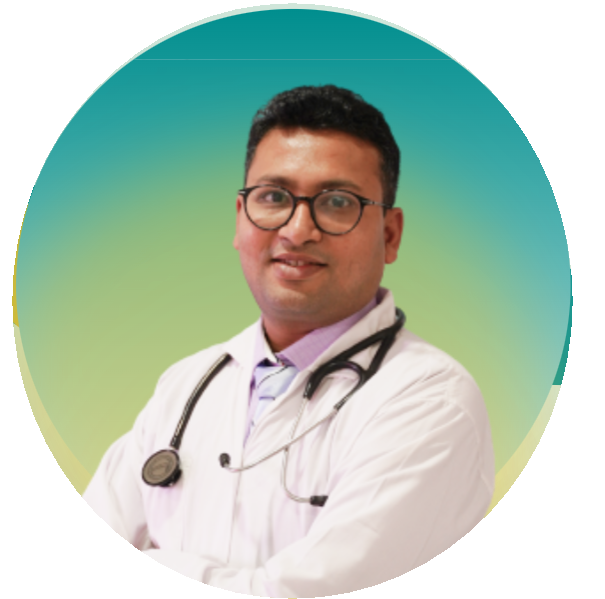
Dr Vikesh Shah is trusted by patients from all age groups because of his deep knowledge, compassionate approach and advanced level of experience in cellular treatment. He is known as a specialist who converts the patient’s own immune cells into cancer fighting cells that target tumors while protecting healthy tissues. He completed his medical studies at Dr NTR University of Health Sciences and received his MD from AIIMS New Delhi which is one of the most respected medical institutions in the country.
He is also recognized for his awareness programs where he educates families, communities and caregivers about early symptoms, timely checkups and modern treatments. Patients appreciate his ability to explain every step in a simple and comforting manner. Individuals who need a reliable cancer doctor often choose him because he combines science with empathy and gives each person the personal attention they deserve.
Types Of Patients Who Benefit From These Therapies
These treatments serve different groups of people. They are suitable for
- Patients who cannot undergo major surgery
- Those with medical conditions that increase surgical risk
- Individuals who have tried chemotherapy or radiation without success
- People searching for a gentle long term treatment plan
- Patients seeking advanced stage support
- Caregivers who want reliable options for their loved ones
- Educators and researchers who want to study modern cellular therapies
- Each therapy is personalized to match the patient’s unique condition.
How To Know Which Treatment Is Right For You?
Choosing a treatment is not simple. It requires correct understanding, expert guidance and emotional readiness. Here are aspects patients should consider before deciding on a treatment plan
- The current stage of the illness
- The body’s strength and health condition
- Previous treatments taken
- The speed of disease progression
- The patient’s comfort level
- Personal goals for quality of life
A specialist evaluates all these factors and creates a plan that brings long term benefit instead of short term relief.
What To Expect During The Treatment Journey?
- Step by step treatment sessions: Patients go through a series of sessions spread across weeks or months, allowing the body to respond gently and naturally.
- Collection of immune cells: Specialists collect specific cells that will later be prepared to support the body in fighting harmful cancer activity.
- Careful lab preparation: The collected cells are processed in a controlled laboratory setting where experts enhance their strength and effectiveness.
- Reinfusion and supportive care: The strengthened cells are given back to the patient along with nutritional and medical support to improve overall recovery.
- Quick return to routine life: Most patients go home the same day and continue regular activities with minimal disturbance, which helps them remain positive and emotionally stable.
Creating A Life With Hope Beyond Surgery
Many families feel lost when surgical options do not seem suitable. The good news is that non surgical therapies offer a new path filled with confidence. These treatments do not only target the illness. They give patients a sense of control, a feeling that healing is still possible and a belief that life can stay meaningful. With the right care team, the journey becomes less stressful and more manageable.
Conclusion
The world of cancer care has changed completely and people now have many safe and powerful choices beyond surgery. These advanced techniques give hope to patients who cannot go through a major operation or want treatments that protect their quality of life. With expert guidance from trusted specialists like Dr Vikesh Shah, individuals receive medical care that respects their body and supports their healing journey. Modern science proves that healing is possible through the right approach, and the search for Cancer Treatment Other Than Surgery gives patients a chance to move toward a healthier future with strength and clarity.
Take the First Step Toward Safer and Advanced Cancer Care
If you or someone close to you is looking for a safe and scientifically advanced way to manage cancer without surgery, this is the right time to connect with a trusted expert. Personalized treatments that use the body’s own defense system can help fight the illness while protecting quality of life. Reach out today and take the first step toward care that brings strength, clarity and hope for the future.
Frequently Asked Questions
1. When should a patient seek non surgical treatment?
A patient can seek these treatments when they want gentle options or when other methods are no longer effective.
2. Is non surgical cancer therapy safe?
Yes. These therapies are developed through global research and used in leading centers.
3. Can these treatments help advanced stage patients?
Many advanced stage patients benefit greatly from these therapies because they are mild and supportive.
4. Are these treatments painful?
Most sessions are comfortable and involve very little discomfort.
5. Can these therapies work with other medical treatments?
Yes. Specialists often combine them with other supportive care plans to improve results.