
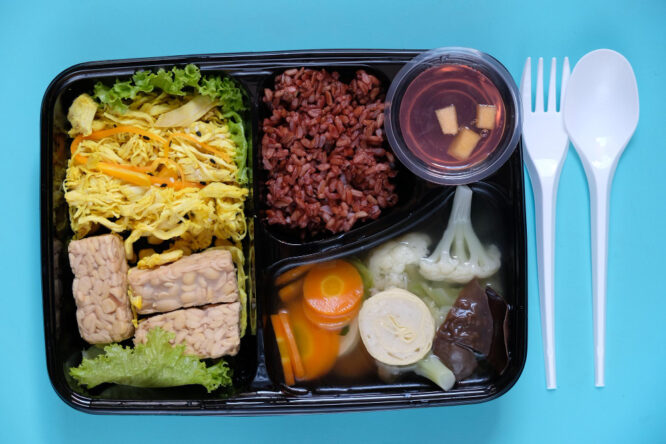
Life is busy. Sometimes we just grab leftovers and heat them in a plastic container. But many people wonder if this can cause cancer. Plastics are everywhere. Some studies say chemicals from plastic can be harmful. Dr Vikesh shah often talks about keeping daily habits safe. It is worth looking closely at this.
Plastic and Heat
We use plastic every day. From food storage to bottles, it is all around us. But not all plastic is the same. Some can handle heat. These are labeled microwave-safe. Others are not made for heat. When plastic gets hot, it can release chemicals. One chemical people talk about is BPA. Some studies link BPA to health problems. These include hormone issues and maybe cancer.
Research is still ongoing. It is better to be careful. Not all plastics release chemicals. But containers not made for heat can break down faster. When they break, tiny amounts of chemicals can get into food. Fatty or oily foods absorb these chemicals more easily.
How Plastic Chemicals Affect the Body
The body is strong. But it is not completely safe from chemicals. Eating food with tiny chemical traces can affect the body. Some chemicals leave quickly and do no harm. Others, like BPA, can build up over time. Studies say long-term exposure may increase the risk of some health issues, including hormone-related cancers.
Risk does not mean it will happen for sure. Eating from plastic once or twice is not dangerous. The problem is repeated exposure over many years. Cancer doctors usually say it is smart to reduce avoidable risks. Using safer containers is one way to do this.
Microwaving and Reheating
Microwaves are very convenient. But this is when plastics are risky. Some plastics melt or warp. Even microwave-safe plastics may release tiny chemicals. Heat can change the plastic. This makes chemicals more likely to get into food.
A simple rule is to avoid microwaving plastic if possible. Glass or ceramic containers are safer. They are easy to use too. If plastic is the only option, check that it is microwave-safe. Avoid old, scratched, or cracked plastics. These release chemicals more easily when heated.
Food Type Matters
The kind of food you heat also matters. Fatty foods, like cheese or fried items, absorb chemicals more easily. Acidic foods, like tomato sauce, can also react with plastic. Heating fatty or acidic foods in plastic is riskier than plain rice or vegetables.
Plastic Alternatives
Switching from plastic is easy. Glass bowls with lids are safe. Stainless steel containers are also good. Silicone options work too. These do not leak chemicals, no matter the heat. Some people worry glass or ceramic may break. Modern containers handle microwave heat. Even moving food from plastic to a safe glass container before heating helps a lot.
Daily Habits and Small Changes
It is not about one meal. Daily habits are important. Using safer containers helps. Checking labels matters. Avoiding old plastics is smart. These small changes reduce exposure over time.
Some simple rules help. Do not microwave plastic if you can avoid it. Do not reuse single-use containers for heating. Replace scratched or old containers. Pay attention to what food you heat. Small steps can make a big difference in the long run.
The Bigger Picture
Some plastics have chemicals that may increase cancer risk. But risk is not the same as certainty. Many things affect cancer. Genetics, lifestyle, diet, and environment all play a role. Reducing chemical exposure is one way to stay healthy.
If you are worried, talk to a cancer doctor. They can explain risks clearly. They give advice based on research and your health. Knowing what is safe helps you make choices without stress.
Tips for Safe Reheating
Small swaps work well. Glass or ceramic containers are the easiest choice. If you must use plastic, check microwave-safe labels. Avoid old, cracked, or scratched containers. Cover food with safe lids. Keep plastic away from hot, oily foods.
These habits are easy to learn. After a week or two, they feel normal. Small daily habits can reduce long-term health risks.
Real-Life Considerations
Many families use plastic every day. It is cheap and convenient. Stopping completely is not realistic. The goal is small, manageable changes. Moving food to safe containers before heating helps a lot. Children and pregnant women are more sensitive to chemicals. Extra care is important at home. Using safe containers is simple and practical. Anyone can do it.
Why Experts Suggest Caution
Even if evidence is not 100 percent clear, experts like Dr Vikesh shah suggest being careful. Some chemicals in plastics affect hormones. They may increase cancer risk over time. Small changes in daily life reduce exposure without giving up convenience. It is about balance. Using plastic sometimes is fine. But heating food in unsafe containers often could increase risk over time. Awareness and smart choices are important.
Conclusion
Reheating food in plastic can carry some risk. Chemicals may leach into food when heated. Old, scratched, or non-microwave-safe plastics are riskier. Fatty or acidic foods are more likely to absorb chemicals. Glass or ceramic containers are the safest. Small daily habits like checking labels and avoiding damaged plastics help a lot.
For anyone worried about cancer risk, talking to a cancer doctor is helpful. They give clear advice and practical tips. Simple changes, like using safer containers, reduce risk without making life harder. Dr Vikesh shah encourages awareness. Take small precautions. Enjoy meals safely. It is not about fear. It is about smart choices. Contact us to learn more about safe eating habits. Protecting your health starts with small steps.