Cancer is a term that can turn one’s life around in a split second. Once an individual becomes aware that they have cancer, it engulfs them with fear, confusion, and questions. Fortunately, the process doesn’t stop with treatment—it goes on to recovery, healing, and rehabilitating life.
Over the last few years, India has taken giant leaps in providing not only cancer treatment but also extended provisions for the patients to get back to a healthy and productive life. Physicians, clinics, and care professionals now concentrate on what follows the treatment, because that is where real recovery starts.
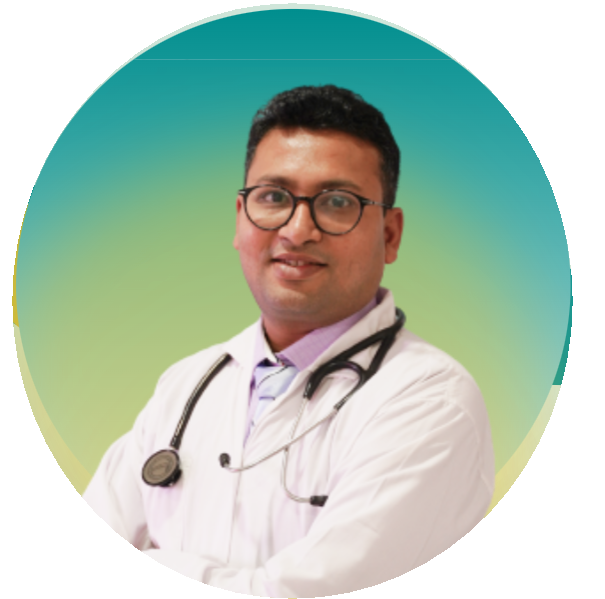
One such professional on this journey has been Dr. Vikesh Shah, a committed oncologist best known for caring for patients throughout all phases of cancer, from recovery to emotional health. Let’s see how the philosophy of cancer treatment in India today cares for people, much more than their therapy, making them resilient and living a better life.
A Whole-Person Approach to Cancer Care
Previously, cancer treatment was mainly the destruction or removal of cancerous tumors. Today, however, medical professionals realize that cancer not only targets more than one aspect of a human being but also influences how an individual feels physically, psychologically, and even socially.
These days, all the hospitals follow a so-called multidisciplinary approach. That is, physicians, nurses, nutritionists, psychologists, physiotherapists, and social workers sit together and plan a full recovery. They not only try to heal cancer but also make sure that the patient is back to his/her normal life.
Improved Technology, Less Invasive Therapies
Advances in technology have improved cancer treatment and reduced harm. With newer technology, doctors can treat cancer with even higher precision, and it entails fewer side effects and quicker recovery.
Some of the most expensive breakthroughs are
- Targeted therapy: It employs medications that target specifically the cancer cells and do not affect the normal cells.
- Immunotherapy: Assists in triggering the body’s own ability to overcome cancer.
- Precision radiation machines: Attempts to kill the tumor and spare the rest of the body.
Those advances translate into many patients suffering fewer long-term side effects such as undue fatigue, damage to organs, or chronic pain. That’s a very important factor in becoming normal again after routines.
Recovery Doesn’t End with Treatment
After cancer therapy, patients experience what is known as the recovery phase. This is a critical period since the mind and body continue to recover. Recovery doesn’t occur overnight—often, it may take months or even years, depending on the nature of the cancer as well as the treatment undertaken.
To help with this, the majority of hospitals now employ survivorship programs. These are specialized services designed to help individuals regain their strength, minimize stress, eat a healthy diet, and monitor their health regularly.
Such programs can include:
- Individual dieting plans
- Light exercise plans
- Psychological support
- Helping return to work or normal activities
- Training about warning signs to watch for in the case of recurrence
One of the roles of such programs is to allow patients to feel as though they are now in charge of their lives again. They’re no longer “patients”—they’re survivors.
Mental and Emotional Support Is Important
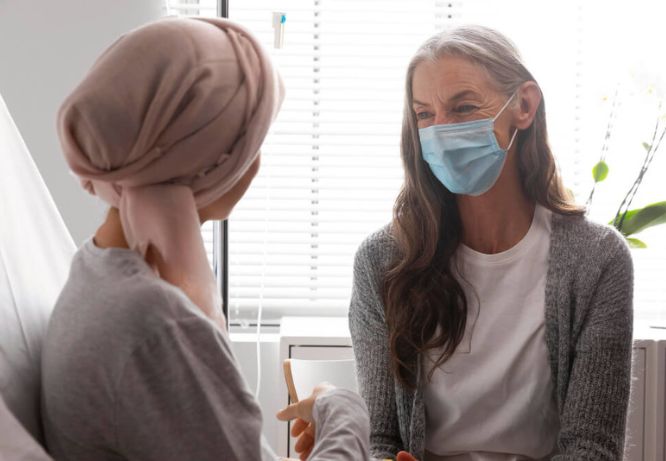
Cancer is tough on the body, yes. But it can leave a person with fear, anxiety, depression, and mood swings even after treatment has ceased. That’s why emotional healing is an essential factor in long-term recovery.
Certain cancer centers and hospitals today include counseling and mental health care in the course of treatment. A visit to a psychologist or counselor can improve patients’ ability to manage stress, adjust to changes in life and relationships, and handle fear of cancer recurrence.
Diet and Exercise to Maintain Health
The body must take time and effort to heal from cancer therapy. Proper diet and exercise can assist patients in recovering lost strength and energy.
Dietitians help patients develop good eating plans appropriate for their needs. They include foods that support the body in restoring tissues, boosting immunity, and battling fatigue.
Some light exercise—walking, stretching, or yoga—is also effective at diminishing fatigue, boosting mood, and increasing overall strength. Yoga and meditation are now being employed in cancer rehabilitation programs, particularly in India, where they are an integral part of daily life for many people.
These changes in lifestyle not only help in recovery but also lower the chance of recurrence of cancer.
The Role of Regular Follow-Ups
Cancer treatment can be completed, but good health afterward is contingent on follow-up care. Follow-ups enable doctors to monitor the progress a person is making to recover, deal with any side effects, and detect any evidence of returning cancer at an early point.
Follow-up can involve blood work, scans, and physicals. The patients are also instructed to call with new symptoms that are being presented, no matter how insignificant.
With telemedicine and technology going more digital in India, patients can remain connected to their physicians without having to keep going to a hospital.
Support Systems Are Expanding
Another significant change in cancer treatment is the expansion of support groups and community services. These are casual settings where cancer survivors can discuss, share, and learn from other survivors.
The function of a member of a support group can assist in balancing feelings of isolation and provide cancer survivors with direction. They also receive advice on living with cancer, relationships, and working after cancer.
In every Indian city, hospitals and NGOs already organize frequent events, workshops, and group sessions wherein individuals get to meet each other. This type of support becomes magical in the phase of rehabilitation.
Long-Term Wellness Focus
Curing cancer is not simply “no more cancer.” It’s thriving—physically, emotionally, and socially. That’s why Indian doctors and hospitals are adopting the bigger perspective.
Survivors are learning about:
- The value of rest and sleep
- Experiencing and managing stress and fear
- Getting active and staying socially engaged
- Setting new goals and finding meaning
This strategy enables survivors to regain confidence and take control of their health.
Dr. Vikesh Shah reminds his patients daily, too, that each small movement—eating well, walking around the block, or even discussing how they’re feeling—can accumulate into a more robust recovery.
Conclusion
Surviving cancer is a triumph, but recovery is a long process. Healing is a tedious, cautious, and nurturing process, and with proper guidance, you can become fully better again and live a healthy and happy life. The way India’s healthcare system is evolving confirms that healing is just as crucial as treatment.
With improved technology, enhanced care, and more emphasis on emotional and psychological well-being, cancer treatment in India is increasingly becoming a journey of hope and healing. Thanks to the vision and guidance of dedicated doctors such as Dr. Vikesh Shah, who is easily accessible for consultation and support, patients no longer have to walk this path alone.
They have a team, an agenda, and a dream of tomorrow—one filled with vitality, camaraderie, and the resumption of life.