
Introduction
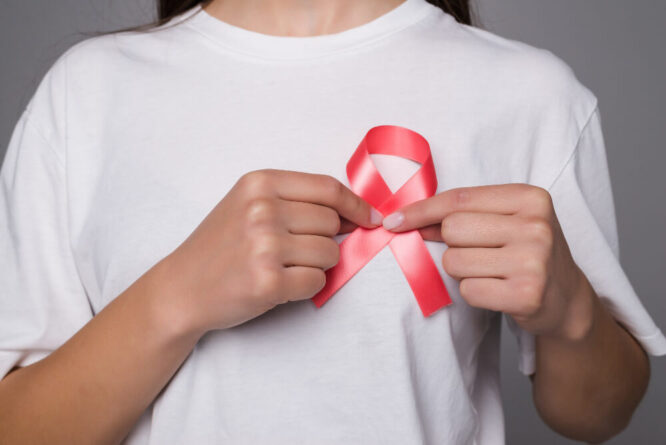
Breast cancer is the most common cancer among women worldwide. According to the World Health Organization, more than 2.3 million new cases of breast cancer are diagnosed every year. In India, breast cancer has now surpassed cervical cancer as the leading cancer among women, accounting for nearly 25% of all cancer cases in Indian women, according to the Indian Council of Medical Research National Cancer Registry Programme.
One of the main reasons breast cancer becomes serious is late diagnosis. Many women overlook early warning signs because the symptoms can be mild or easy to ignore. This is why knowing when to see a Cancer Specialist is extremely important. A Cancer Specialist can identify early changes, perform accurate tests, and guide patients toward the right treatment at the earliest stage.
Recognising the early signs of breast cancer and consulting a Cancer Specialist quickly can significantly improve treatment success, recovery speed, and long-term survival.
Why Early Detection Matters?
Early detection plays a vital role in improving breast cancer outcomes. When breast cancer is identified in its early stages, treatment is often simpler, less invasive, and more effective. A Cancer Specialist can detect abnormal changes even before symptoms become severe.
Many people believe breast cancer always appears as a lump, but this is not always true. Some patients may notice small changes in breast shape, nipple appearance, or skin texture. Others may experience mild breast pain or swelling. These changes may seem harmless but should still be evaluated by a Cancer Specialist.
In India, survival rates decrease significantly when breast cancer is diagnosed in Stage III or Stage IV. However, when detected early by a Cancer Specialist, treatment options are more effective and the chances of recovery are much higher. Regular screening, awareness of symptoms, and early consultation with a Cancer Specialist can help detect cancer before it spreads.
Early Signs of Breast Cancer You Shouldn’t Ignore
Understanding the early signs of breast cancer can help women recognise unusual changes and seek help from a Cancer Specialist promptly.
1. Lump in the Breast or Underarm
A lump in the breast or underarm is the most commonly noticed symptom. These lumps are often painless, hard, and may have irregular edges. However, some lumps may feel soft or tender.
Not every lump is cancerous, but if a lump persists beyond your menstrual cycle, it is important to consult a Cancer Specialist for further evaluation.
2. Change in Breast Size or Shape
Sometimes breast cancer can cause visible changes in the size or shape of the breast. One breast may appear larger, swollen, flattened, or unusually shaped compared to the other.
Hormonal changes can sometimes cause temporary swelling, but if the change does not improve or continues to worsen, a Cancer Specialist should examine the breast.
3. Unusual Nipple Discharge
Nipple discharge that appears bloody or clear can be a warning sign. While nipple discharge can have non-cancerous causes, a Cancer Specialist should evaluate it to rule out underlying problems.
4. Skin Changes on the Breast
Changes in breast skin may indicate underlying disease. Some signs to watch for include:
- Redness or rash that does not heal
- Dimpling or puckering of the skin
- Thickened skin that resembles an orange peel
- Skin ulcers around the nipple area
If these changes persist, it is important to consult a Cancer Specialist for proper assessment.
5. Nipple Retraction or Inversion
A nipple that suddenly turns inward or becomes retracted when it was previously normal may signal an underlying tumour. A Cancer Specialist can perform imaging tests to determine the cause of nipple changes.
6. Persistent Breast or Armpit Pain
Breast pain is common and often related to hormonal changes. However, pain that lasts for several weeks, becomes severe, or spreads to the armpit should be evaluated by a Cancer Specialist. Persistent discomfort can sometimes indicate deeper tissue changes.
7. Swelling Near the Collarbone or Armpit
Swelling of lymph nodes in the armpit or near the collarbone may occur if cancer cells spread through the lymphatic system. A Cancer Specialist can assess lymph node swelling using imaging and physical examination.
When Should You See a Cancer Specialist?
If you notice any unusual breast changes that last more than a few weeks, it is best to consult a Cancer Specialist.
Early consultation helps ensure the correct diagnosis and prevents unnecessary anxiety. A Cancer Specialist can recommend the most appropriate tests based on your symptoms.
Common diagnostic tests include:
- Mammogram – A low-dose X-ray that helps detect tumours too small to feel.
- Breast Ultrasound – Helps determine whether a lump is solid or fluid-filled.
- Biopsy – A small tissue sample examined under a microscope to confirm cancer.
- MRI Scan – Used for high-risk patients or complex cases.
A Cancer Specialist uses these advanced diagnostic tools to create a personalized treatment plan if needed.
How to Perform a Breast Self-Examination (BSE)
Breast self-examination helps women understand how their breasts normally look and feel. This awareness makes it easier to detect unusual changes and consult a Cancer Specialist quickly.
Step 1: Look in the Mirror
Stand in front of a mirror and observe your breasts carefully. Look for changes in size, shape, skin texture, or nipple position.
Step 2: Raise Your Arms
Lift your arms above your head and check for dimpling, swelling, or changes in the breast contour.
Step 3: Feel the Breast While Lying Down
Use the pads of your fingers to gently move in circular motions across the breast.
Step 4: Check While Standing
Many women find it easier to check their breasts during a shower when the skin is wet.
The best time to check is a few days after your menstrual cycle when the breasts are least tender. If you notice anything unusual, consult a Cancer Specialist immediately.
Regular Screening and Preventive Measures
Regular screening plays an important role in early cancer detection. A Cancer Specialist may recommend screenings based on age and risk factors.
| Age Group | Recommended Screening |
| 25–39 | Clinical breast exam every 1–3 years |
| 40+ | Annual mammogram and clinical exam |
| High-risk | MRI or ultrasound along with mammogram |
Preventive steps recommended by a Cancer Specialist include:
- Maintaining a healthy body weight
- Exercising for at least 150 minutes per week
- Eating a balanced diet rich in fruits and vegetables
- Limiting alcohol consumption
- Avoiding smoking
- Breastfeeding when possible
Following these habits can help reduce the risk of breast cancer and support overall health.
Common Myths About Breast Cancer
Misconceptions about breast cancer often delay visits to a Cancer Specialist.
Myth: Only painful lumps are dangerous
Fact: Most breast cancer lumps are painless.
Myth: Young women cannot develop breast cancer
Fact: While risk increases with age, younger women can still develop the disease and may need evaluation by a Cancer Specialist.
Myth: Breast cancer always appears as a lump
Fact: Some types cause redness, swelling, or skin changes without a lump.
Myth: Men cannot get breast cancer
Fact: Although rare, men can also develop breast cancer and may require care from a Cancer Specialist.
Conclusion
Breast cancer can show many different signs, including lumps, nipple changes, skin changes, swelling, or persistent breast pain. While not every symptom indicates cancer, it is always safer to consult a Cancer Specialist if you notice unusual changes.
Early diagnosis by a Cancer Specialist greatly improves treatment success and recovery outcomes. Awareness, regular screening, and timely medical consultation are the most effective ways to protect your health.
Understanding your body and acting quickly when something feels unusual can make a life-saving difference. If you experience persistent breast pain or other symptoms, seeking guidance from a Cancer Specialist like Dr. Vikesh Shah is the best step toward early detection, proper evaluation, and peace of mind.
Frequently Asked Questions
1. When should I see a Cancer Specialist for breast pain?
You should consult a Cancer Specialist if breast pain persists for several weeks, becomes severe, or is accompanied by other symptoms like lumps, swelling, or nipple changes.
2. What is usually the first sign of breast cancer?
The most common early symptom is a painless lump in the breast or underarm. However, a Cancer Specialist may also detect cancer through screening tests before symptoms appear.
3. Can breast pain be a sign of cancer?
Breast pain alone is usually not cancer. However, persistent or unexplained pain should still be evaluated by a Cancer Specialist to rule out serious conditions.
4. How often should women get screened for breast cancer?
A Cancer Specialist typically recommends mammograms starting at age 40 or earlier for high-risk individuals.
5. Can breast cancer be prevented?
While it cannot always be prevented, maintaining a healthy lifestyle and attending regular screenings recommended by a Cancer Specialist can reduce risk and improve early detection.