
Introduction
Cancer begins when the genes inside a cell stop working normally. These damaged cells start growing faster than they should and no longer follow the body’s natural control systems. Over time, they may form lumps (tumors) or spread to other parts of the body.
Gene changes can occur because of inherited genetic factors or environmental exposures you encounter in daily life. Understanding the top causes of cancer can help you stay informed, make healthier lifestyle choices, and protect your long-term well-being. A qualified cancer doctor can also help assess your personal risk and guide you toward preventive care.
What Causes Cancer?
Cancer develops mainly because of gene mutations.
A gene mutation is a change in the DNA inside a cell. When these mutations accumulate, cells begin to multiply uncontrollably. These abnormal cells may damage nearby tissues and sometimes spread to other organs.
According to many experts and every experienced Cancer Doctor, these mutations generally come from two main sources:
- Inherited mutations passed down from parents
- Mutations that develop after birth due to lifestyle habits or environmental exposures
Most cancers occur because of mutations that develop over time rather than those inherited at birth. A Cancer Doctor often evaluates both genetic and lifestyle factors when assessing a patient’s cancer risk.
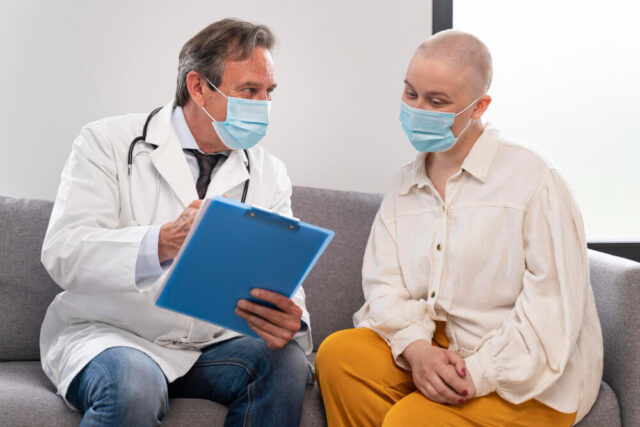
Top 10 Causes of Cancer
Cancer rarely develops from a single factor. Instead, it is often the result of genetics, lifestyle habits, and environmental exposures working together.
Understanding these factors allows you to make better choices and seek advice from a Cancer Doctor if you notice concerning symptoms. Below are the top 10 causes of cancer explained in a simple and clear way.
1. Genetics (Inherited Gene Mutations)
Some individuals inherit gene mutations from their parents that increase cancer risk. Although inherited mutations are relatively uncommon, they may raise the likelihood of cancers such as breast, colon, and ovarian cancer.
If multiple family members have experienced cancer, especially at a young age; it is wise to speak with a Cancer Doctor about genetic testing and early screening options.
2. Tobacco Use
Tobacco is one of the most powerful cancer-causing factors. Cigarettes, cigars, chewing tobacco, and secondhand smoke contain chemicals known as carcinogens that damage DNA.
Tobacco use is strongly linked with:
- Lung cancer
- Mouth and throat cancer
- Pancreatic cancer
- Bladder cancer
A Cancer Doctor often advises quitting tobacco as one of the most effective ways to reduce cancer risk.
3. Unhealthy Diet
Diet plays an important role in long-term health. Eating large amounts of processed meats, refined sugars, and unhealthy fats may increase the risk of colorectal, stomach, and pancreatic cancers.
These dietary patterns may trigger chronic inflammation and weaken the body’s natural repair systems. Many recommendations from a Cancer Doctor focus on balanced nutrition that includes fruits, vegetables, whole grains, and lean proteins. Healthy eating habits support immune function and reduce inflammation over time.
4. Lack of Physical Activity
Physical inactivity does not directly cause cancer, but it contributes to obesity, which is associated with several cancer types including breast, colon, and endometrial cancer.
Regular exercise improves immune function, regulates hormones, and reduces inflammation. A Cancer Doctor often encourages simple activities such as walking, cycling, or light exercise to maintain overall health. Even small changes in daily movement can significantly improve long-term well-being.
5. Excessive Alcohol Consumption
Heavy alcohol intake increases the risk of cancers affecting the liver, breast, throat, mouth, and esophagus. When alcohol is broken down in the body, it produces acetaldehyde, a toxic compound that can damage DNA.
Many health guidelines recommended by a Cancer Doctor suggest limiting alcohol consumption to reduce long-term cancer risk. Moderation is key when it comes to alcohol intake.
6. Radiation Exposure
Radiation exposure can damage cells and increase the risk of cancer. Ultraviolet (UV) rays from the sun are one of the most common causes of skin cancer.
Radon gas, a naturally occurring radioactive gas that can enter homes through soil, is another source of exposure. A Cancer Doctor may recommend protective measures such as:
- Using sunscreen regularly
- Avoiding tanning beds
- Testing homes for radon gas
These simple precautions can significantly lower risk.
7. Air Pollution
Long-term exposure to polluted air has been linked to lung cancer and may also increase the risk of other cancers. Air pollution from traffic, industrial emissions, and smoke can introduce harmful particles into the lungs.
Many environmental studies referenced by a Cancer Doctor highlight pollution as a growing global health concern. Reducing exposure through protective masks and air filtration may help lower risk.
8. Certain Infections
Some infections can increase the risk of developing cancer.
Examples include:
- Human Papillomavirus (HPV) linked to cervical cancer
- Hepatitis B and Hepatitis C linked to liver cancer
These infections may cause chronic inflammation and cellular damage over time. A Cancer Doctor often recommends vaccination and early screening to prevent infection-related cancers. Vaccines such as HPV and Hepatitis B are important preventive tools.
9. Harmful Household Chemicals
Certain chemicals including benzene, asbestos, arsenic, and formaldehyde are known carcinogens. Exposure may occur through contaminated water, building materials, or strong industrial chemicals.
A Cancer Doctor may advise reducing exposure by improving home ventilation and using safer cleaning products whenever possible. Simple safety measures can help reduce long-term risks.
10. Age
Cancer risk naturally increases with age. As the body grows older, cells accumulate more genetic changes over time. Research shows that many cancers are diagnosed in individuals between their 60s and 70s.
For this reason, a Cancer Doctor often recommends regular screenings and health checkups as people age. Early detection greatly improves treatment outcomes.
Common Signs and Symptoms of Cancer
Cancer symptoms vary depending on the affected part of the body. It is important to remember that many of these symptoms can occur due to other health conditions as well.
However, if symptoms persist or worsen, consulting a Cancer Doctor is always recommended.
Possible warning signs include:
- Persistent fatigue or weakness
- Unexplained weight loss
- A new lump or swelling under the skin
- Changes in appetite
- New or changing moles
- Unusual bleeding
- Long-term bowel habit changes
- Difficulty swallowing
- Persistent cough or breathing problems
- Ongoing stomach discomfort
- Bone or back pain
- Frequent infections
- Night sweats
Changes in urination
A Cancer Doctor can perform proper evaluation and diagnostic tests if any of these symptoms continue for an extended period.
Conclusion
Cancer develops due to a combination of genetic mutations and environmental exposures. Understanding the top causes of cancer can empower you to make healthier lifestyle choices and recognize early warning signs.
Simple habits such as avoiding tobacco, maintaining a balanced diet, exercising regularly, and attending routine screenings can significantly lower cancer risk. If you have concerns about symptoms, family history, or prevention strategies, speaking with an experienced Cancer Doctor can provide the guidance and reassurance you need. Early awareness and expert care are key to protecting your long-term health.
Take the Next Step in Cancer Care with Dr. Vikesh Shah
Choosing the right cancer treatment can make a meaningful difference in your recovery journey. Dr. Vikesh Shah provides personalized cancer care with a strong focus on advanced immunotherapy approaches designed to support the body’s natural immune system in fighting cancer. Get expert guidance, clear answers, and compassionate support to move forward with confidence in your cancer treatment journey. Schedule your consultation today