
Our Portfolio

Specialising in the diagnosis, treatment and monitoring of mental health disorders.
bt_bb_section_bottom_section_coverage_image

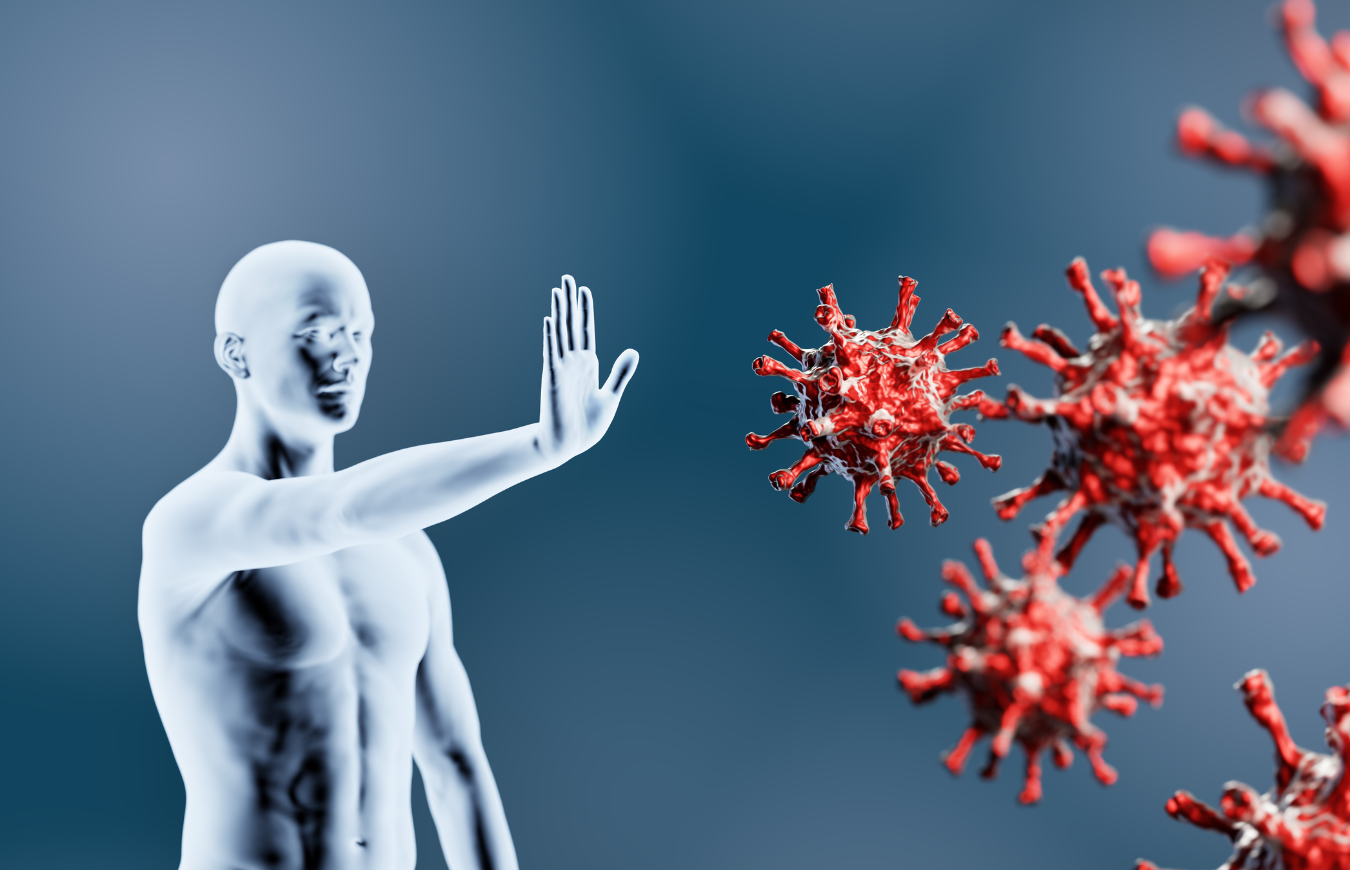
The immune system plays a crucial role in identifying and eliminating abnormal cells, including cancer cells. However, cancer cells can develop mechanisms to evade the immune system’s surveillance and attack, allowing them to proliferate and form tumors.

Following are some key points describing the relationship between cancer and the immune system:

  1. Immune Surveillance: There is constant patrolling inside the body by immune system for any cells that display abnormal characteristics, such as those found in cancer. Immune cells like T cells and natural killer (NK) cells can recognize and eliminate these abnormal cells.


  1. Tumor Antigens: Unique molecules / antigens that are not present on normal cell are often produced by cancer cells. These antigens can be recognized by immune cells, particularly T cells, as signals of potential threats.


  1. Immune Response: When immune cells recognize these cancer cells as foreign or abnormal, they initiate an immune response. T cells can directly attack on these cancer cells, while other immune cells start releasing signaling molecules (cytokines) that attract more immune cells to the site of the tumor.


  1. Immune Evasion: Cancer cells can develop various strategies to overcome immune detection and destruction. For example, they might downregulate the expression of certain antigens, inhibit immune cell activity, or even express molecules that induce immune tolerance.


  1. Cancer and Inflammation: Chronic inflammation can also increase the risk of cancer development. Certain immune responses, especially chronic in nature can lead to tissue damage and mutations which may lead to cancer initiation and This is why conditions associated with chronic inflammation, such as inflammatory bowel disease, are linked to an increased cancer risk.


 

Definition: Cancer is a group of diseases which is  characterized by the uncontrolled growth and spread of abnormal cells in the body. The signs and symptoms of cancer can vary  depending on the type of , location, and stage of cancer. Here are some common signs and symptoms that might indicate the presence of cancer :

  1. Unexplained and Significant Weight Loss : If there is a noticeable and unexplained weight loss in a person, this can be sign and symptom of cancer.


  1. Persistent or increasing pain : Persistent/ increasing pain, if it’s localized and doesn’t have an obvious cause, could be a symptom of certain types of cancer.


  1. Fatigue or Weakness : Tiredness or Fatigue or weakness which is persistent and even does not get better on taking rest can be sign of cancer.


  1. Lumps or masses : Noticeable lumps or masses under the skin might be indicative of various types of cancer.


  1. Changes in the Skin: If there is a change in the color, size, shape, or texture of a mole or other skin lesions might indicate skin cancer.


  1. Difficulty Swallowing: Trouble swallowing or persistent hoarseness might be sign and symptom of throat or esophageal cancer.


  1. Persistent Cough: A chronic cough or hoarseness that doesn’t go away after taking medical help or treatment could be a sign of lung or throat cancer.


  1. Fever : Having recurrent and unexplained fever might indicate a possibility of cancer affecting immune system.


  1. Changes in Mouth : Unhealing ulcers and white or red patches on the gums, tongue, tonsils, or lining of the mouth could be signs of oral cancer.


  1. Changes in Bowel or bladder habits : Persistent changes in bowel habits (diarrhea, constipation) or urinary habits (blood in urine, increased frequency) might be indicative of certain types of cancer.


  1. Changes in Breast Appearance: Changes in the size, shape, or appearance of the breast, and nipple changes, might be signs of breast cancer.


Unexplained Bleeding: Unexplained bleeding, such as blood in the stool, urine, or appearance of blood in cough or sputum, could be a symptom of various cancers.

How often and how long you receive immunotherapy depends on:

• Your type and stage of cancer.
• Clinical condition of the patient.
• Response of body towards treatment.

Immunotherapy is given in cycles. A cycle is a period of treatment followed by period of rest. The rest period gives your body a chance to recover ,respond to immunotherapy and build new healthy cells.

Different forms of immunotherapy may be given in different ways. These include:

• Collection of blood sample from patient.
• Blood cells are processed in lab for 8-12 days.
• Activated immune cells are infused back into body.

How does immunotherapy work against cancer-Dr. Vikesh Shah

As part of its normal function, the immune system detects and destroys abnormal cells and most likely prevents or curbs the growth of many cancers. For instance, immune cells are sometimes found in and around tumors. These cells, called tumor-infiltrating lymphocytes or TILs, are a sign that the immune system is responding to the tumor. People whose tumors contain TILs often do better than people whose tumors don’t contain them.


Even though the immune system can prevent or slow cancer growth, cancer cells have ways to avoid destruction by the immune system. For example, cancer cells may:


  • Have genetic changes that make them less visible to the immune system.
  • Have proteins on their surface that turn off immune cells.
  • Change the normal cells around the tumor so they interfere with how the immune system responds to the cancer cells.
  • Immunotherapy helps the immune system to better act against cancer.
Questions to ask your immunotherapy health care team -Dr. Vikesh Shah

If immunotherapy is a cancer treatment option for you, consider asking your health care team these questions:


  •       What type of immunotherapy do you recommend? Why?
  •       What are the goals of this treatment?
  •       What immunotherapy clinical trials are open to me?
  •       Will immunotherapy be my only type of cancer treatment? If not, what other treatments will I need? When?
  •       How will I receive immunotherapy treatment?
  •       Where will I receive this treatment?
  •       How long will each treatment take? How often will I need to get this treatment?
  •       What are the possible short-term side effects of immunotherapy? How can these be managed?
  •       Who should I talk with about any side effects I experience? How soon?
  •       What side effects should I let you know about right away?
  •       Whom should I call with questions or problems?
  •       How can I reach them during regular business hours? After hours?
  •       How will this treatment affect my daily life? Will I be able to work, exercise, and do my usual activities?
  •       If I’m very worried or anxious about having this treatment, who can I talk with?
  •       If I’m worried about managing the cost of this treatment, who can help me?
  •       What are possible long-term side effects of this immunotherapy? How can these be managed?
  •       How will we know if this immunotherapy is working?
  •       Will I need any tests or scans before, during, or after immunotherapy?
  •       Could the dose or duration of my immunotherapy change over time?

Please fill the details to Schedule an appointment with Dr. Vikesh Shah


Contact Page Form - Live